

Blog
Sherpa vs Fleece: Key Differences Explained
Feb
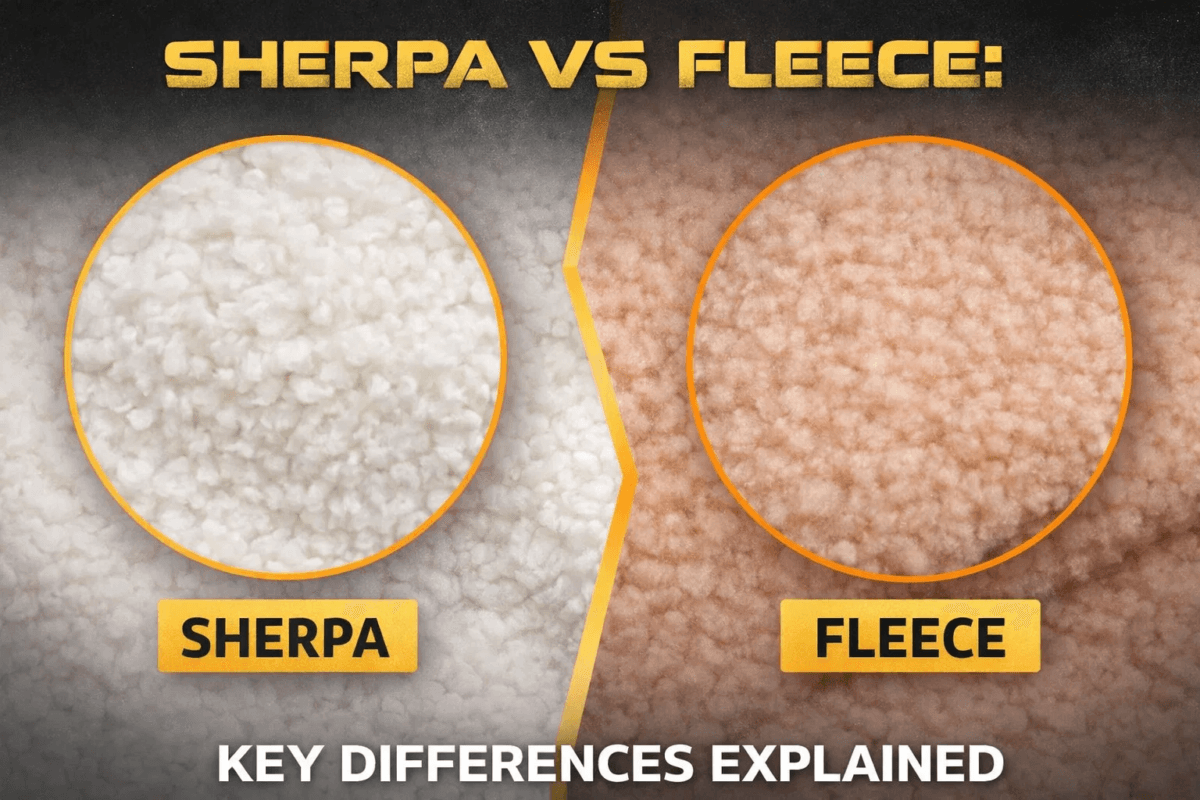
Winter hits and the first thing people start searching is sherpa vs fleece. Both fabrics feel soft, both keep you warm, and you see them everywhere in jackets, hoodies, plus blankets. They look almost the same on a hanger, but touch them side by side and the difference between sherpa and fleece becomes obvious pretty fast.
So lets dig into sherpa vs fleece fabric properly. By the end you will know how they are made, how they feel, plus which one actually makes sense for you.
Introduction
More winter clothing brands are using sherpa vs fleece fabric in their jackets as well as coats, so the question comes up a lot these days. People assume they are the same thing since both feel soft plus cozy. But the difference between sherpa and fleece shows up clearly once you look at thickness, insulation, and texture.
Sherpa gives a fluffy, wool-like look, while fleece has a smoother, brushed surface. In addition, these fabrics provide warmth, but they serve different purposes based on the weather, plus how you plan to wear them.
What Is Sherpa Fabric
If you are thinking what is sherpa fabric, the answer is simple. Sherpa is a soft, thick fabric designed to look like sheep’s wool. Furthermore, it is commonly used in winter jackets, hoodies, plus lining materials due to its warm nature.
Sherpa material is usually crafted from synthetic fibers, like polyester. It is often added as sherpa lining inside leather jackets plus denim jackets to create extra warmth during cold seasons.
What Is Sherpa Made From
Furthermore, many people are curious about sherpa fabric made from what materials. In modern clothing, sherpa is mostly fabricated from polyester, acrylic, or cotton blends. Sherpa fabric is man-made, which is also called synthetic sherpa. So if anyone asks is sherpa natural or synthetic, the answer is synthetic in almost every case.
Texture and Feel of Sherpa
The sherpa texture is thick, fluffy, plus slightly curly and feels very soft when touched. Sherpa softness is one of its biggest advantages, especially for winter wear.
Why Sherpa Is Used as a Lining
Sherpa lining for winter is very popular since it offers strong insulation. The thick fibers trap air, which helps keep body heat inside the jacket. This natural heat-trapping ability creates strong sherpa insulation. That is why sherpa is so warm compared to other fabrics.
That is why many brands design sherpa-lined leather jackets for winter to protect against freezing temperatures.
What Is Fleece Fabric
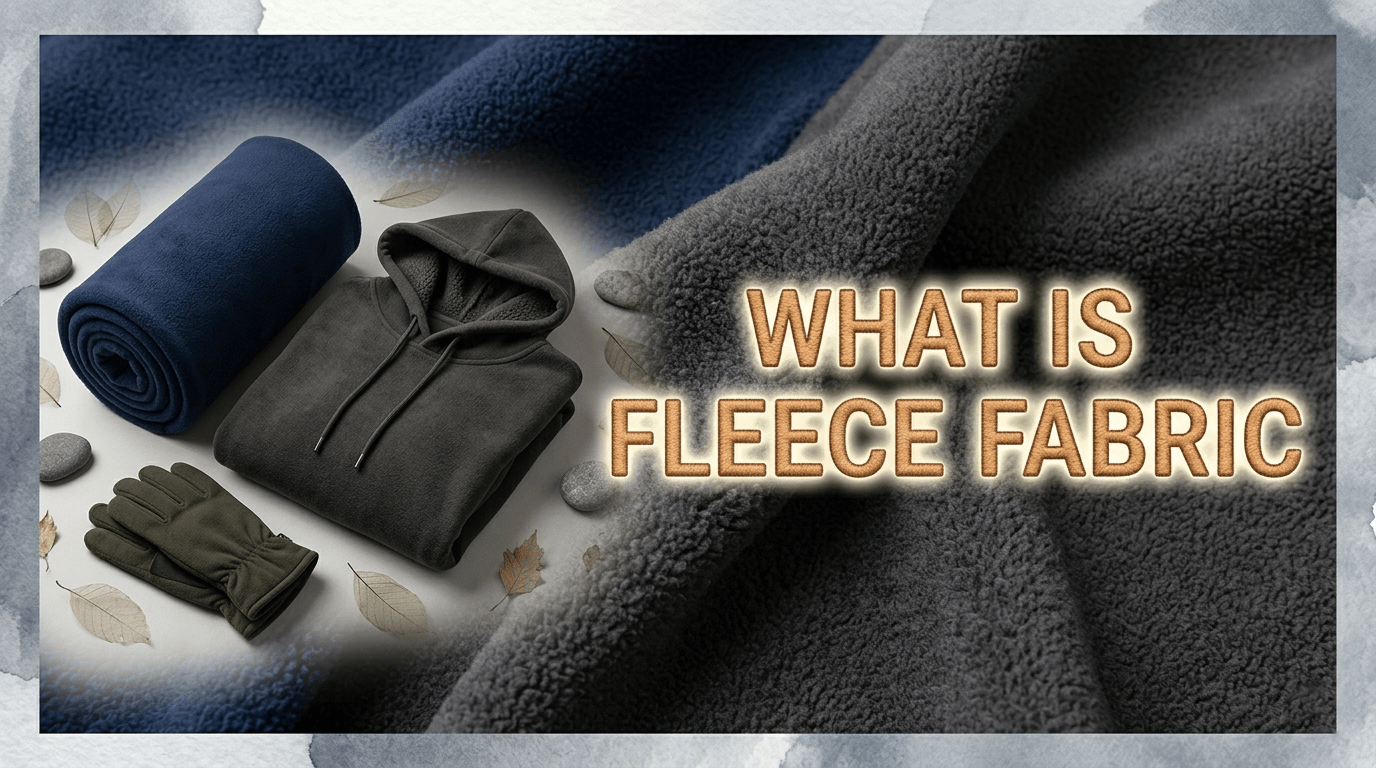
Now, let us understand what is fleece fabric. The fleece is a soft, lightweight fabric that is widely used in winter clothing.
Fleece material is usually crafted from polyester fibers that are woven plus brushed to create a soft surface. Fleece lining is commonly used in hoodies, sweatshirts, and jackets to add comfort without making the garment heavy.
What Is Fleece Made From
Most fleece fabric polyester is made from synthetic materials. Polyester fibers are processed and brushed to create a warm and soft finish. Just like sherpa, it is also man-made, so it is often called synthetic fleece.
Texture and Weight of Fleece
Lightweight fleece is one of the main reasons people love it. It provides warmth without feeling bulky. Moreover, fleece softness feels smooth plus soft against the skin.
Why Fleece Is Popular in Winter Clothing
Fleece insulation is highly effective for moderate cold weather. Apart from that, the breathable fleece fabric makes it perfect for active use. Many brands also design lightweight fleece-lined leather jackets for people who prefer warmth without extra bulk.
Sherpa vs Fleece Side by Side Comparison
 Sherpa vs Fleece Side by Side Comparison
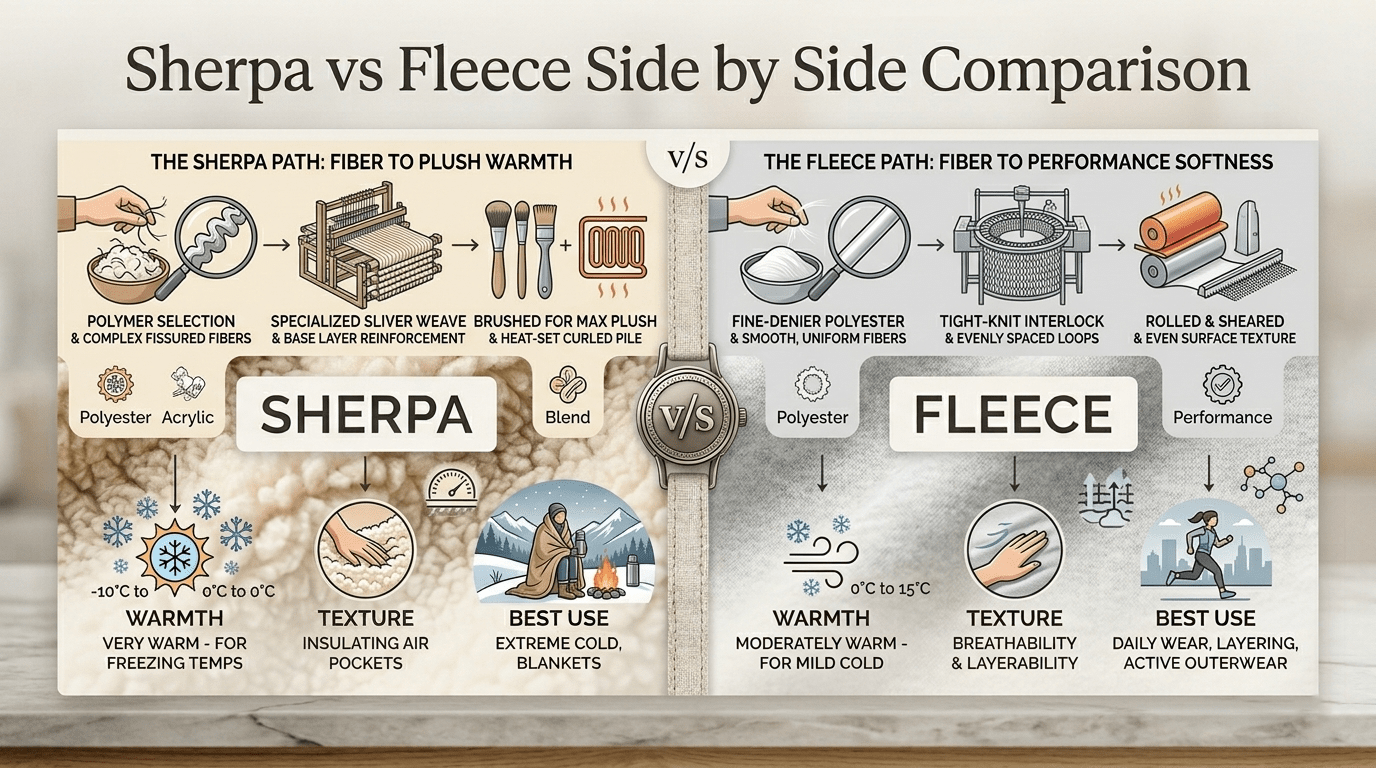
In order to truly understand sherpa vs fleece comparison, we must look at their differences carefully. There are clear sherpa vs fleece differences when it comes to warmth, comfort, breathability, weight, along with durability.
| Feature | Sherpa | Fleece |
|---|---|---|
| Warmth | Very warm – best for freezing temps | Moderately warm – good for mild cold |
| Texture | Fluffy, plush, wool-like | Smooth, soft, brushed |
| Weight | Heavier and bulkier | Lightweight and easy to layer |
| Breathability | Less breathable | More breathable – great for active use |
| Durability | Durable but can mat if washed incorrectly | Durable but may develop pilling |
| Best Use | Extreme cold, lining for winter jackets | Daily wear, layering, active outerwear |
| Material | Polyester or acrylic | Mostly polyester |
| Skin Feel | Plush and thick | Smooth and light |
| Best For Blankets | Cold nights, maximum warmth | Everyday casual use |
| Lining Type | Sherpa lining – best for extreme cold | Fleece lining – best for mild winter |
Warmth and Insulation
In sherpa vs fleece warmth comparison, sherpa is generally warmer because of its thick, plus fluffy structure.
Comfort and Skin Feel
When it comes to sherpa vs fleece comfort, sherpa feels plush, while fleece feels lighter plus smoother.
Breathability
When comparing sherpa vs fleece breathability, fleece performs better due to better airflow.
Weight and Bulk
In sherpa vs fleece weight comparison, sherpa is heavier as well as thicker, while fleece is lighter plus easier to layer.
Durability and Longevity
For sherpa vs fleece durability, both fabrics can last long with proper care, though fleece may develop pilling over time.
Sherpa vs Fleece for Different Uses
When choosing sherpa vs fleece for winter, think about your everyday needs. Sherpa vs fleece for jackets relies on climate plus activity level.
For freezing temperatures, Sherpa is ideal. On the other hand, for daily wear plus active use, fleece is more practical. You can also explore the winter leather jackets collection to find jackets designed for different weather needs.
Sherpa Lining vs Fleece Lining
A common question people ask is about sherpa lining vs fleece lining. Sherpa lining is better for extreme cold since it traps more heat close to the body. Fleece lining works well for mild winter conditions and is a good choice for people who prefer lighter jackets. If you are buying a sherpa lined jacket, expect much stronger insulation compared to a fleece lined one.
Sherpa Blanket vs Fleece Blanket
Another popular comparison is sherpa blanket vs fleece blanket. Sherpa blankets are thicker, heavier, and warmer, making them great for cold nights. Fleece blankets are lighter and easier to handle for everyday use. If you want something for a cold bedroom, go with sherpa. For casual couch use, a fleece blanket works just fine.
Care and Maintenance Comparison

Proper sherpa fabric care plus fleece fabric care helps extend the life of your clothing.
How to Care for Sherpa Fabric
When you wash sherpa fabric, use cold water and avoid high heat. Good sherpa maintenance includes air drying plus gentle cleaning.
How to Care for Fleece Fabric
You need to follow proper fleece washing tips, plus avoid high-heat drying. In order to prevent fleece pilling, wash it inside out.
Environmental and Sustainability Perspective

The sherpa fabric environmental impact is based on its synthetic materials. Similarly, fleece fabric sustainability depends on whether recycled polyester is used in production.
Common Myths About Sherpa and Fleece
Many people ask, is sherpa real wool. In most cases, it is synthetic.
Another common question is is fleece warm? Yes, fleece is warm plus comfortable, especially in moderate winter conditions.
People also ask is sherpa the same as fleece. The answer is no. Sherpa has a fluffy, wool-like side while fleece is smooth on both sides. They are different fabrics with different builds and different uses.
Sherpa vs Fleece – Which One Should You Choose
If you are wondering sherpa or fleece which is better, the answer depends on your needs. Your sherpa vs fleece choice should be based on climate, comfort, plus lifestyle.
If you want maximum warmth, choose sherpa. If you prefer lightweight comfort, choose fleece. You can also explore Stegaro’s winter leather outerwear to find high-quality winter styles.
Warmth and Insulation Differences
When comparing sherpa vs fleece warmth, the biggest difference comes down to thickness as well as structure. Sherpa copies the look plus feel of sheep’s wool. Its deep, fluffy fibers pull in more air inside the fabric, which holds body heat in for longer. This makes sherpa a solid pick for very cold climates plus freezing temperatures. Jackets with sherpa lining feel heavier but keep you genuinely warm on outdoor winter days.
On the other hand, fleece also provides good warmth but in a lighter way. It is brushed to create soft fibers that hold heat, but it is not as thick as sherpa. That is why fleece works better in mild to moderately cold weather. If you are wearing clothes, fleece is easier to manage because it does not add too much bulk. Overall, Sherpa offers deeper insulation, while fleece gives balanced warmth with flexibility.
Comfort and Skin Feel Comparison
When it comes to sherpa vs fleece comfort, both fabrics feel soft, but the experience is different. Sherpa has a plush, fluffy surface that feels like wrapping yourself in a warm blanket. People who wear sherpa-lined jackets in winter usually say it feels cozy and almost luxurious against the skin.
Fleece has a smoother plus lighter surface. It feels soft without adding weight. Fleece is lightweight and works well in sweatshirts, hoodies, plus activewear. You can move around freely and it never feels too thick around the body. For anyone who does not like bulky clothing, fleece is the more comfortable day-to-day option. Sherpa gives deep coziness, fleece gives soft and easy comfort for regular use.
Breathability and Airflow Performance
In terms of sherpa vs fleece breathability, fleece has the advantage. Fleece fabric allows better airflow, which helps reduce sweating during movement. That is why fleece jackets are commonly used for hiking, running, or outdoor sports in cool weather. The breathable structure keeps you warm plus prevents overheating.
Sherpa provides strong warmth, it does not allow as much air circulation. This means sherpa is better suited for very cold weather when you want to block out chilly winds. However, during intense activity, sherpa may feel too warm. Choosing between the two depends on how active you plan to be. If you need airflow and flexibility, fleece is better. If you want strong protection against cold air, Sherpa is the right choice.
Weight and Everyday Practical Use
When discussing sherpa vs fleece weight, Sherpa is naturally heavier and thicker. It adds noticeable bulk to jackets and coats. While this extra thickness gives better insulation, it may not always be convenient for layering. Sherpa-lined jackets are ideal for extremely cold outdoor conditions but may feel too warm indoors.
In addition, fleece is lightweight plus easy to wear. You can layer a fleece hoodie under a leather jacket. It is also easier to carry and pack, making it perfect for travel. Because fleece is less bulky, it works well for daily errands, office wear, or casual outings. If you prefer something that feels light but still warm, fleece may suit your lifestyle better.
Durability and Long-Term Performance
If you are looking at sherpa vs fleece durability, both fabrics can last a long time if cared for properly. Sherpa is thick and strong, but it loses its fluffy texture if washed the wrong way. Cold water and air drying keep it soft.
Fleece holds up well too, but small fabric balls called pilling can show up over time. Wash it properly and fleece garments stay in good shape for years. Both fabrics come from synthetic fibers, so they do not shrink or stretch much. Pick good quality material and follow the care instructions and both will last you a long time.
FAQs
1. Is sherpa warmer than fleece?Yes, sherpa is usually warmer because it is thicker and traps more heat.
2. Sherpa vs fleece lining which is better?Sherpa lining is better for extreme cold, while fleece lining works well for mild winter.
3. Which fabric lasts longer?Both can last long with proper care.
4. Is sherpa the same as fleece?No, sherpa and fleece are different fabrics. Sherpa is fluffy and thick on one side while fleece is smooth on both sides.
5. What is sherpa fleece?Sherpa fleece is a term used for fabric that has a fleece base with a fluffy sherpa surface. You will find it in blankets and hoodies.
6. Is sherpa natural or synthetic?Sherpa is almost always synthetic, made from polyester or acrylic.
7. Which is softer, sherpa or fleece?Both are soft. Sherpa feels more plush while fleece feels smoother and lighter.
8. Does sherpa shrink?It can shrink if washed in hot water or dried on high heat. Always use cold water and air dry.
9. Is sherpa fleece breathable?Sherpa is less breathable than regular fleece because of its thick, dense fibers.
10. Is sherpa warm enough for winter?Yes, sherpa is one of the warmest fabric options for winter, especially in very cold climates.
Final Thoughts
Sherpa plus fleece are excellent winter fabrics. Sherpa offers thicker warmth as well as a plush feel for very cold weather. On the other hand, fleece provides lightweight comfort plus breathability for everyday use. Knowing their differences helps you make the right choice and stay warm all season long.